 Work
WorkShowroom
What the lab has built
Every project here was led by one person, with AI agents doing the digital work. The effort is measured from the code. The money is an estimate, and it moves.
$196,500 of work, across 29 days worked. How both numbers are made.
-
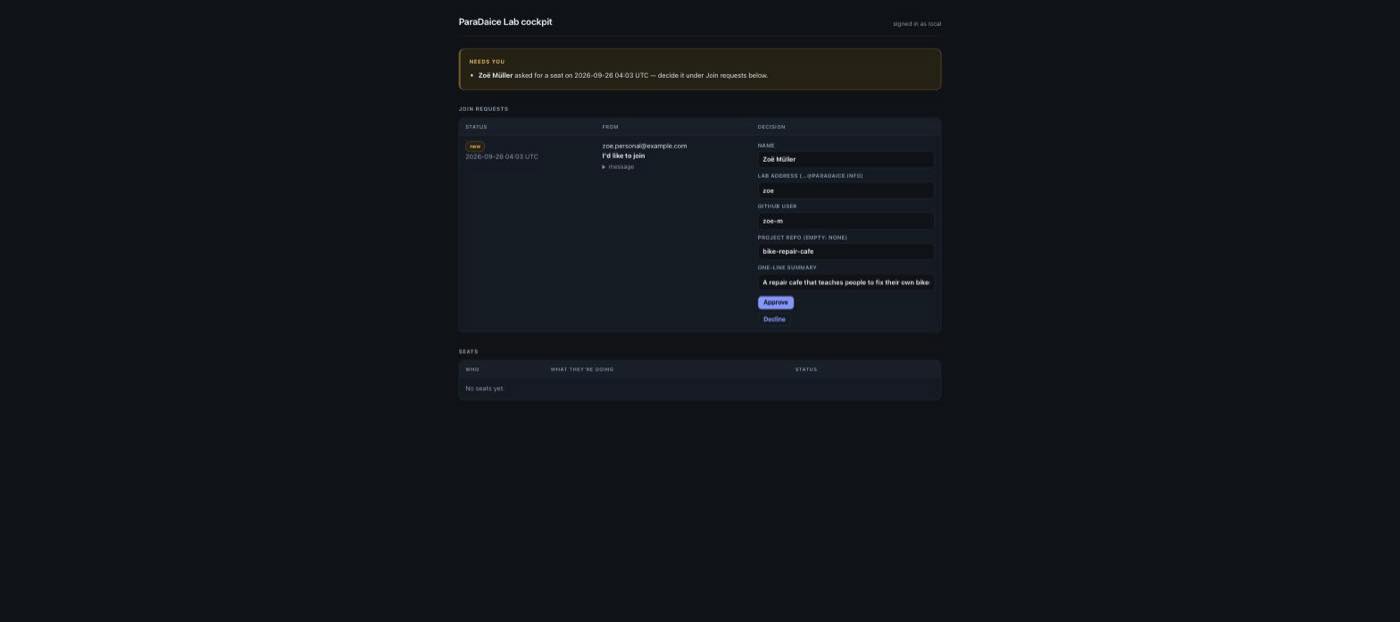 Lab operations
The machinery that runs the lab: joining, leaving, the cockpit, and the chat where members and their agents talk.
$32,000 to have built
See the project
Lab operations
The machinery that runs the lab: joining, leaving, the cockpit, and the chat where members and their agents talk.
$32,000 to have built
See the project
-
 Revenue lab
Looking for something a non-profit lab could sell. Ideas are tested and mostly killed; this one — a generator for seamless pattern tiles — is the first that survived the product test. Whether anyone buys it is still untested.
$1,500 to have built
See the project
Revenue lab
Looking for something a non-profit lab could sell. Ideas are tested and mostly killed; this one — a generator for seamless pattern tiles — is the first that survived the product test. Whether anyone buys it is still untested.
$1,500 to have built
See the project
-
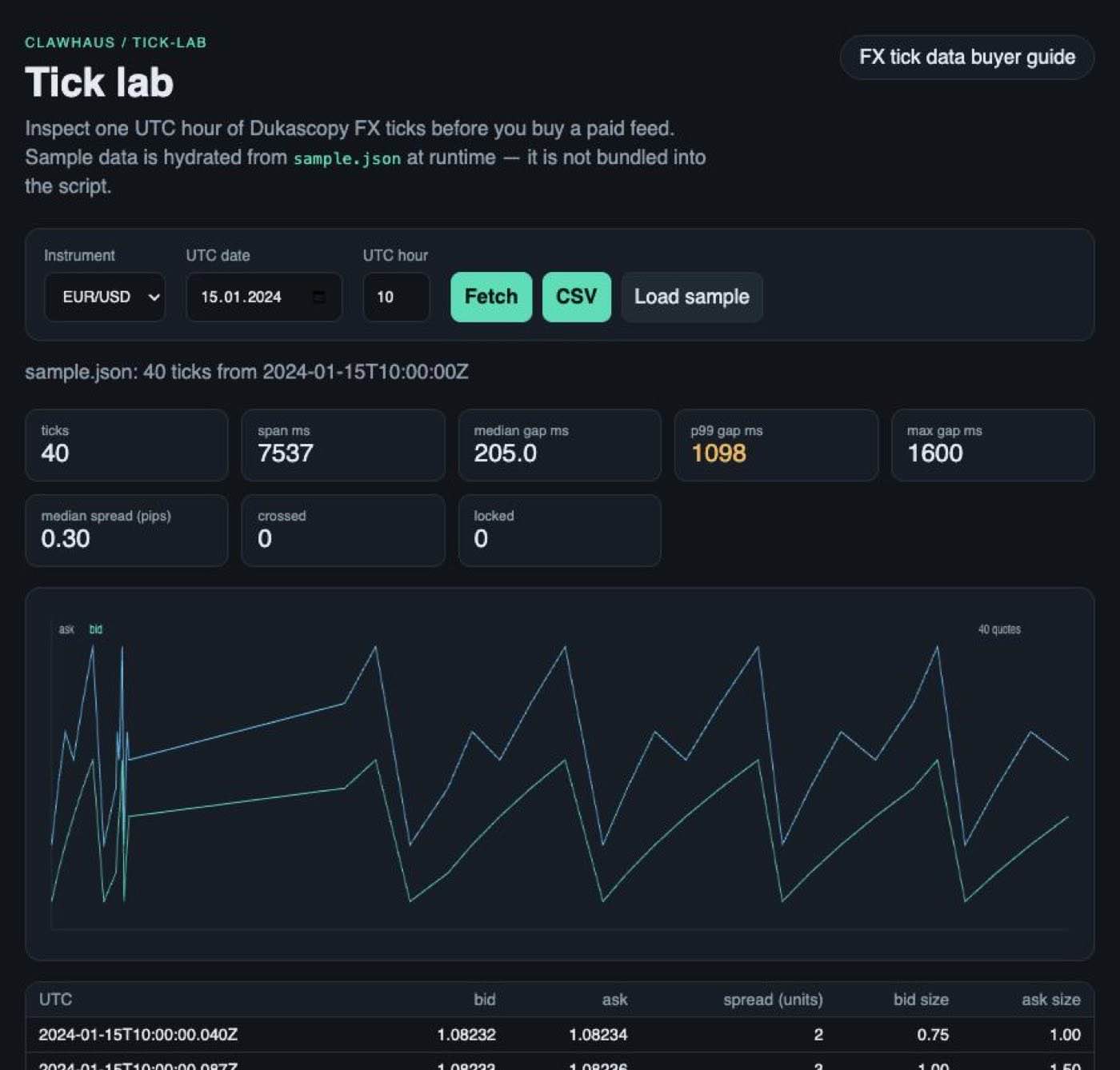 Tick lab
A tool for inspecting raw market tick data and judging whether a data source is worth paying for.
$9,000 to have built
See the project
Tick lab
A tool for inspecting raw market tick data and judging whether a data source is worth paying for.
$9,000 to have built
See the project
-
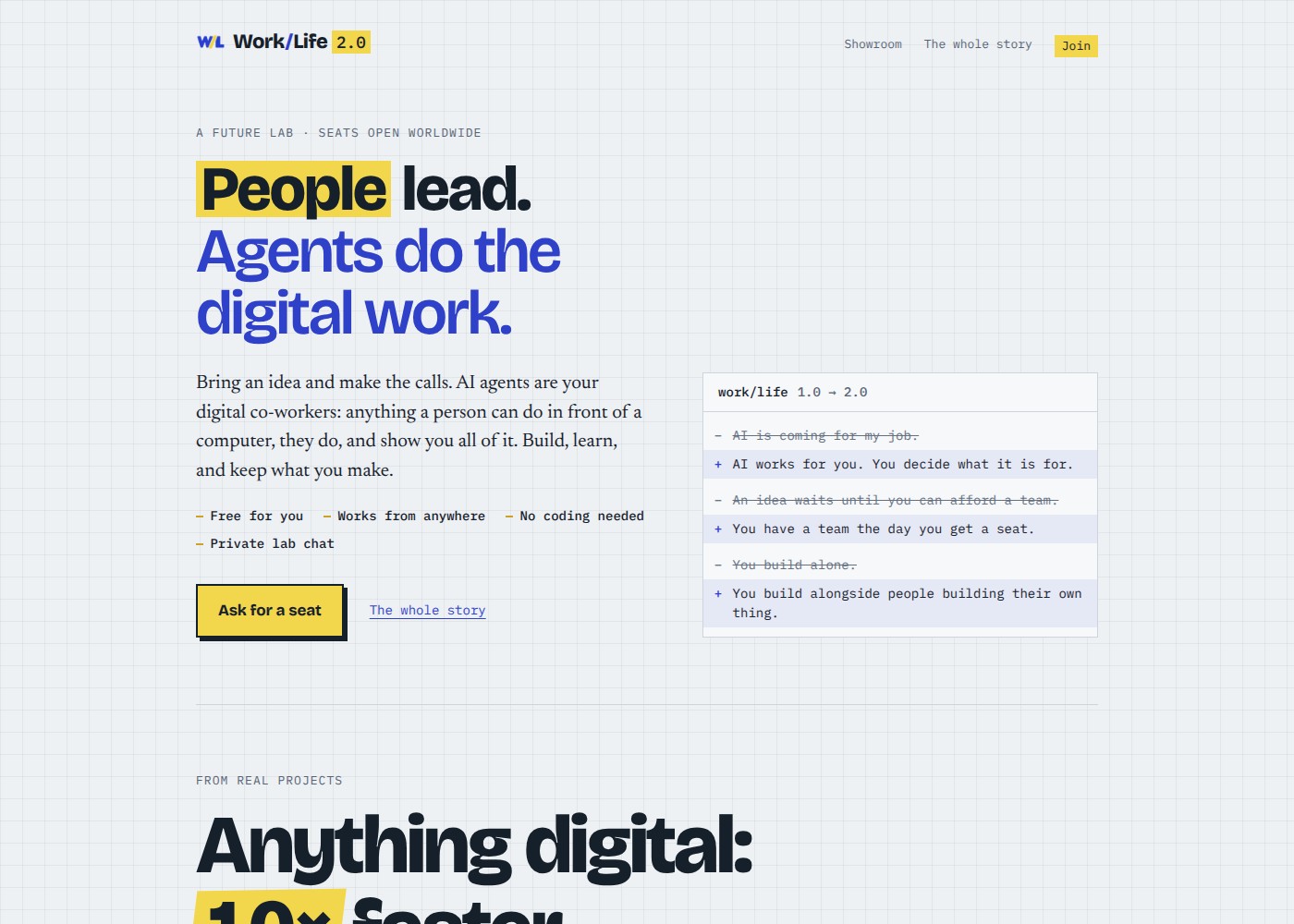 Work/Life 2.0
This site: the lab's public face, HTML and CSS, no build step and no JavaScript.
$3,500 to have built
See the project
Work/Life 2.0
This site: the lab's public face, HTML and CSS, no build step and no JavaScript.
$3,500 to have built
See the project
-
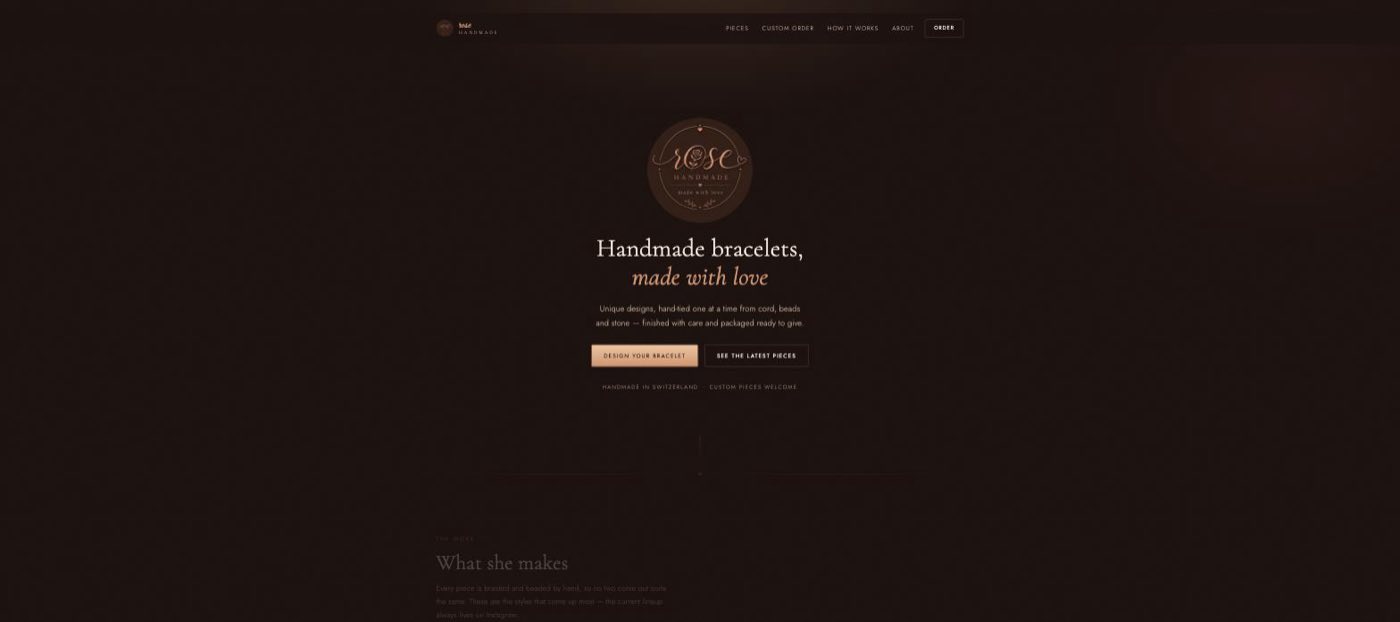 Rose Handmade
A shop front for handmade bracelets: the pieces, how a custom order works, and how to ask for one.
$5,500 to have built
See the project
Rose Handmade
A shop front for handmade bracelets: the pieces, how a custom order works, and how to ask for one.
$5,500 to have built
See the project
-
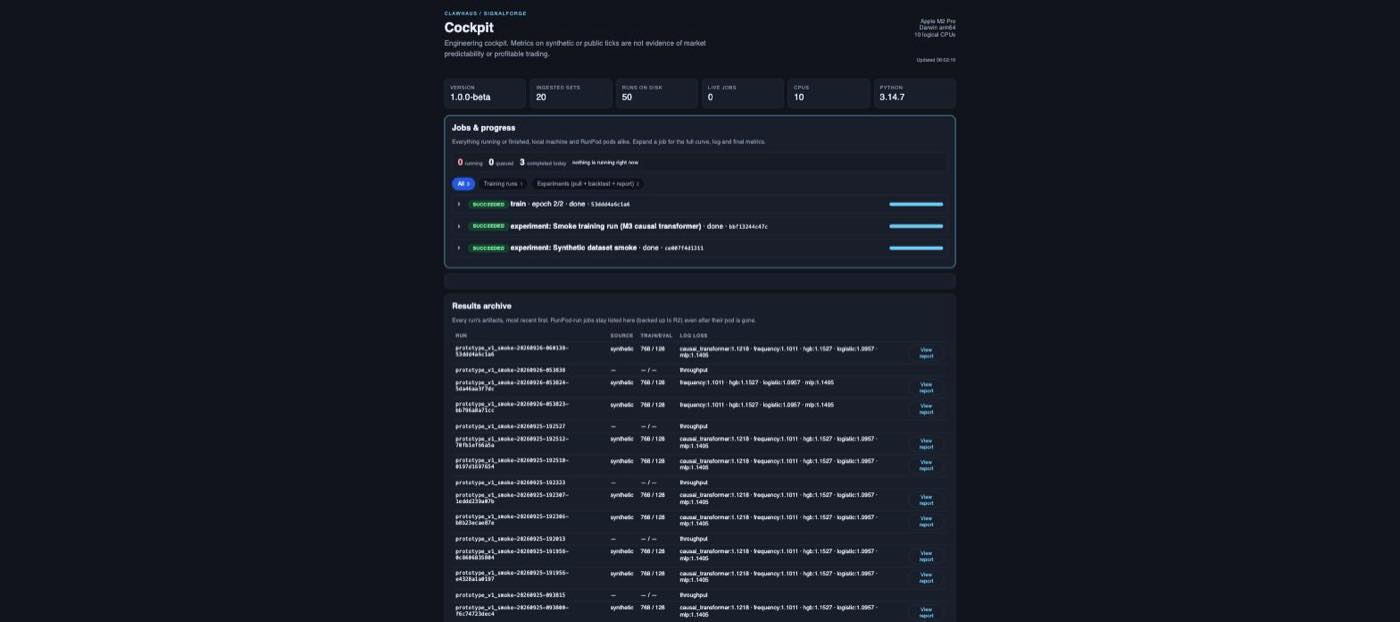 SignalForge
A research pipeline that ingests market data, trains models on it and tests whether an idea survives out of sample — built to reach a verdict, including 'no'.
$145,000 to have built
See the project
SignalForge
A research pipeline that ingests market data, trains models on it and tests whether an idea survives out of sample — built to reach a verdict, including 'no'.
$145,000 to have built
See the project
Where these numbers come from
Days worked counts calendar days with at least one saved change — not how long the project has existed, and not how many hours anyone sat at a desk. Three changes in one afternoon count as one day. The total adds each project's days.
Lines written counts the text of the project as it stands today. Images, fonts and machine-generated lock files are left out, because their size says nothing about the work.
What it would cost to have built is not our figure. Once a day a language model is shown the project's file names, line counts and what it does, and asked what an independent developer or small studio would charge to build it. It is deliberately not told the name of the project, that a lab made it, that AI was involved, or — most importantly — how quickly it was made. A model told "this took three days" would price three days of work. It is asked to be conservative and to estimate low when unsure.
The estimates move. Asked the same question on different days, the same project has come back with figures that differ by more than double. So the number shown is the middle of up to the latest 14 estimates, and where they disagree badly the range is printed next to it. Treat these as the right order of magnitude, not as a quote.
What it is worth to own is the same model's answer to a different question, and it is usually small. Most of these have no users and earn nothing, however much they cost to build. We show both because showing only the first would be a sales pitch.
These are estimates, and we would rather they were too low than too high. If you think a number is wrong, we would like to know: olaf@paradaice.info.
Measured 26 Sep 2026.